Our renowned Community Action Projects address pressing social and economic needs and provide a tangible return on investment to the community from the Tasmanian Leaders Program.

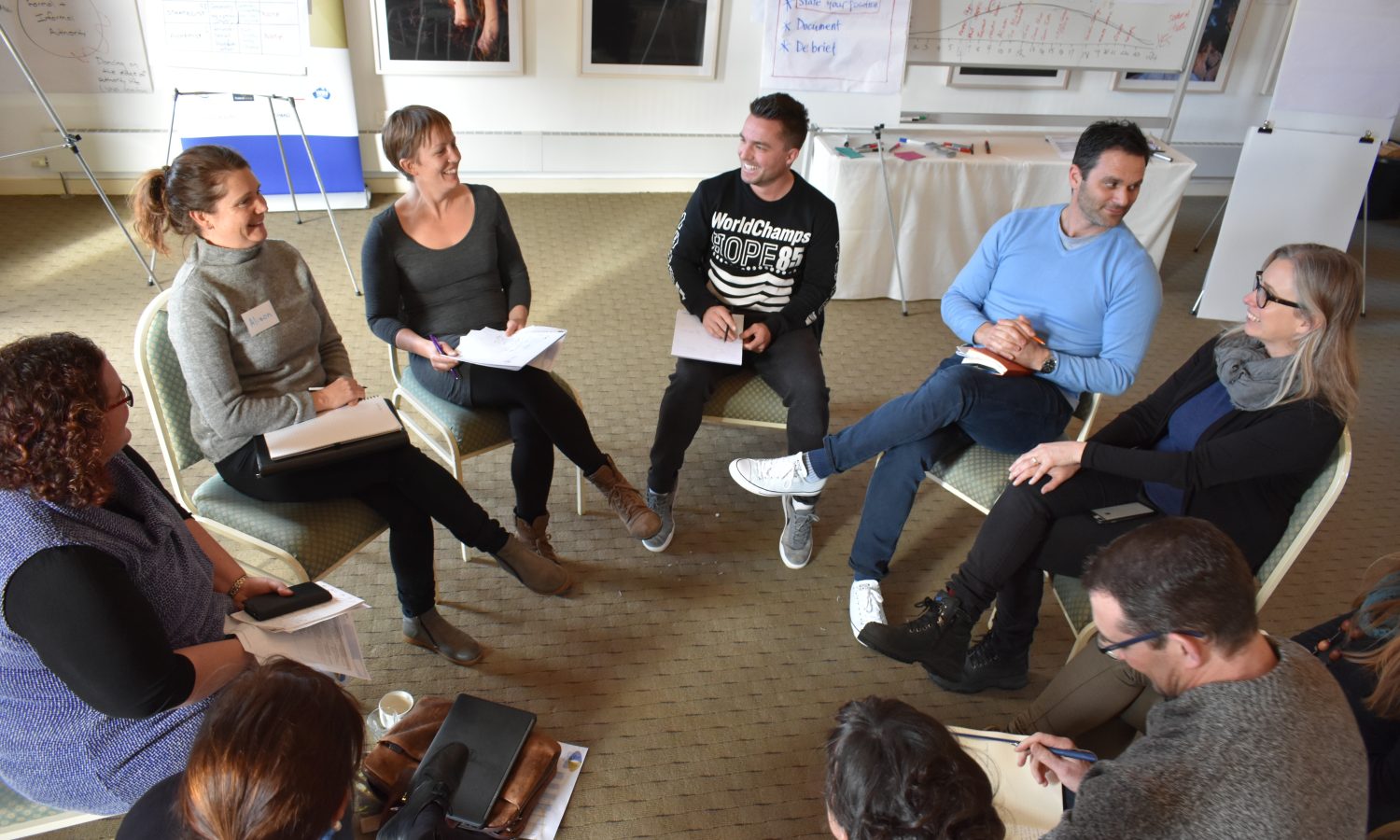
Community Action Projects are delivered by Tasmanian Leaders Program participants working in small groups called Learning Sets. The Projects reinforce and develop learnings gained by participants during the year-long Tasmanian Leaders Program.

Participants are encouraged to complete their projects during the ten months of the Program, however, some may require additional time to implement and are completed post-graduation. The outcomes and insights from each year’s Community Action Projects are shared at an annual event for participants, partner organisations, Network members and our stakeholders.

The following guidelines apply in developing Projects. They should:

  • Be small enough to be achievable.
  • Be large enough to matter.
  • Aspire to make a positive contribution.
  • Increase community wellbeing.

Learning Sets adopt formal project management processes and often partner with existing not-for-profit organisations to ensure they are addressing real community needs and support collaborative initiatives for greater wellbeing.


 

Leadership in Action: 100 Laptops in 100 Days

Helping bridge Tasmania’s digital divide

Access to technology is now part of everyday life — from accessing services and information to staying connected with family and community. Yet many Tasmanians still do not have a laptop at home to confidently participate in the digital world.

100 Laptops in 100 Days is a community action project developed by the ImpactUS learning set from the 2025 Tasmanian Leaders Program (TLP #19) in partnership with Hobart City Mission. Together, we are inviting individuals and organisations to donate pre-owned laptops to help bridge the digital divide across Tasmania.

The initiative runs from 23 March to 30 June 2026, with a goal of collecting 100 laptops that can be refurbished and placed into the homes of people who need them most.

How it works

Individuals and organisations can donate pre-owned laptops during the campaign period.

Each device will be:

• securely cleaned and reset
• tested and tagged
• distributed by Hobart City Mission to people who have already received one-to-one digital literacy coaching.

With a laptop at home, participants can practise their skills, access essential online services, and stay connected with greater confidence.

Why it matters

Hobart City Mission already supports people across Tasmania to build digital literacy through personalised one-to-one coaching.

But many participants do not have a device at home to practise what they have learned.

This project helps change that.

By placing laptops into the homes of people who need them most, 100 Laptops in 100 Days helps:

• reduce digital exclusion in Tasmania
• strengthen digital literacy and confidence
• increase access to essential online services
• reduce e-waste by giving unused technology a second life.

A laptop at home can mean the difference between being digitally excluded and confidently accessing the services, connections and opportunities many of us take for granted.

How you can help

You can support the project by donating a pre-owned laptop that is no longer being used.

These laptops are intended to spark confidence in the digital world and support everyday online participation. They are not being collected for job-seeking or study programs, as there are already initiatives supporting those needs.

Donated laptops will not be sold. They will be gifted to people who have completed digital literacy coaching with Hobart City Mission, helping them continue building their skills at home.

Ready to donate a laptop?

Download the information sheet to learn:

• what laptops can be donated
• how devices will be prepared and distributed
• where to drop off your laptop.

100 Laptops in 100 Days began as a simple question for the ImpactUS learning set: what practical action could we take together to help reduce digital exclusion in Tasmania?

Leadership in action

This project is a practical example of the Tasmanian Leaders Program in action — where participants work together to address real challenges in our communities.

Through community action projects like this one, Tasmanian Leaders participants collaborate with local organisations to create initiatives that deliver real impact across the state.

Together, we can help more Tasmanians participate confidently in the digital world.


Ready to donate? Download the info sheet

Pickle for a Giggle

TLP 2025: Team members - Pieter Boon, Hilary Cooper, Bec Ladd, Tania May, Anne Rathjen and Tim Shepherd

Pickleball is one of Australia’s fastest-growing sports, known for its accessibility and broad appeal. This project used the game as a simple, inclusive way to bring people together — engaging both experienced players and newcomers while raising funds and awareness for Clown Doctors Australia in Tasmania. With a target of $15,000, the team delivered a community event that exceeded expectations, raising more than $27,000 to support programs that bring light and laughter to hospitals and aged care settings.

Clown Doctors Australia

The NARLE Project

TLP 2024: Team Members - Shanelle Clapham, Patrick Fabian, Andrew Johnson, Kaylia Marshall, Alicia Sargent and Kath Wilson.

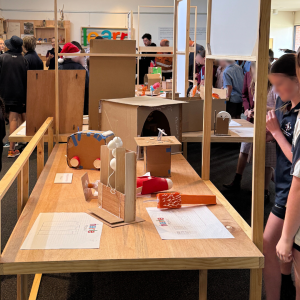
The NARLE Project (an anagram of ‘LEARN’) supported upper primary students in George Town to build problem-solving skills through hands-on, creative learning. Working with Grade 5 and 6 students across three schools, the project introduced a series of design workshops where participants developed ideas to solve everyday challenges, then brought them to life through drawings, models and prototypes. The program culminated in a public exhibition at the Jim Mooney Gallery, showcasing practical innovation shaped by young people in their local context.

The NARLE Project

Welcome Back(pack) Project

TLP 2019: Team members - Emily Chase, Katrina Kelly, Jennifer McKenzie, Tom Remenyi, Jen Smit and Chris Warr

This project supported women transitioning out of prison in Tasmania by providing practical items to help ease their return to the community. Each participant received a backpack containing clothing, toiletries and a list of local support services — small but important resources that support dignity, stability and connection at a critical point of transition.

Dress for Success Tasmania

TLP 2016: Team members – Robin Barnes, Louise Bishop, Donna Brown, Amanda French, Michael Giudici and Jeff Harper.

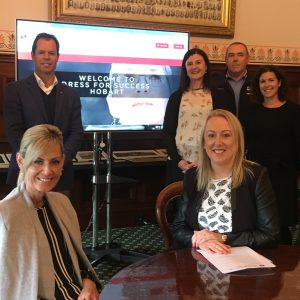
Dress for Success Tasmania supports women to move toward economic independence through access to practical resources and ongoing support. As part of a global not-for-profit network, Dress for Success provides professional attire, development tools and a supportive community to help women prepare for, enter and thrive in the workforce — strengthening confidence, capability and long-term opportunity.

Dress for Success Tasmania

Welcome Dinner Project

TLP 2014: Team members – Shawn Lee, Alice Percy, Andrew Pitt, Misty Sanderson, Scott Schilg and Don Thomson.

The Welcome Dinner Project brings together new migrants and established Tasmanians to share food, conversation and connection in a relaxed, home-based setting. Through pot-luck dinners hosted by volunteers, the initiative creates space for genuine relationships to form across cultures and experiences. This project established the program in Tasmania and secured initial funding to support a State Coordinator, ensuring its continued growth and impact across the community.

Hand-made With Pride

TLP 2012: Team members – Cheryl Fuller, Tracey Tasker, Sue Robertson, David Hugo, John Hooper and Allan Walsh

This project responded to limited opportunities for meaningful activity within Mary Hutchinson Women’s Prison by creating a practical, skills-based program for inmates. In partnership with prison staff and community organisations, participants were supported to produce clothing for themselves and for broader distribution, using donated equipment and training. The project built confidence, capability and pathways that support rehabilitation and reintegration.

100 Door Snakes in 100 Days

TLP 2011: Team members – Lucy Byrne, Steve Henty, Brett McDermott, Dean Mundey, Alan Rosevear and Julie Waddington

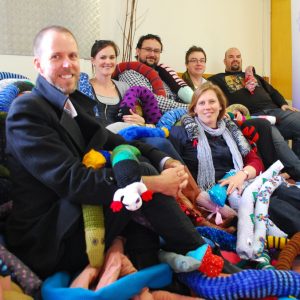
The ‘100 Door Snakes in 100 Days’ project partnered with Anglicare Tasmania to deliver simple, practical support to people in supported accommodation. By producing and distributing draught stoppers, the initiative helped reduce energy costs and improve comfort during winter, while also promoting sustainable, low-cost solutions. The project combined community effort with practical impact, supporting both wellbeing and environmental awareness.

Road Safety Bike Park

TLP 2010: Team members – Shona Beswick, Mark Jefferson, Kacey Rubie and Darryn Smith

This project delivered a free, community-built road safety bike park in Sheffield, addressing a recognised gap in early road safety education. Designed to support children transitioning from pedestrian awareness to road use, the park provides a safe, practical environment to build confidence and skills. Developed in collaboration with local partners, the initiative has been recognised as a valuable resource for helping reduce road trauma and support safer communities.

Northern Young Professionals

TLP 2008: Team members – Fionna Bourne, Susie Bower, Sam Ibbott, Katherine Miguel, Ben O’Donnell and Craig Perkins

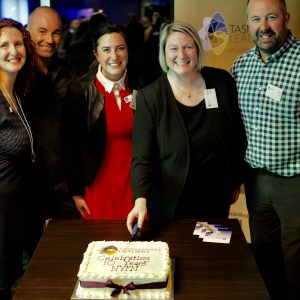
This project led to the establishment of the Northern Young Professionals Network (NYPN), creating a dedicated space for early and emerging leaders to connect, learn and grow in Northern Tasmania. Initially formed as a sub-committee of the Launceston Chamber of Commerce, the network has since evolved into an independently managed initiative with more than 100 members. NYPN continues to support career development, professional growth and meaningful connection, contributing to a stronger, more connected leadership pipeline in the region.